How to Calculate Planetary Hours: The Ancient Guide to Time and Influence
Reviewed according to ARCANUM Editorial Standards.
Introduction
In many ancient traditions, time was never understood as a simple sequence of identical hours moving mechanically forward. Instead, time was seen as a living rhythm, infused with changing qualities and governed by the movements of celestial forces. Among the most fascinating expressions of this worldview is the system known as planetary hours.
This pattern is not random.
It is repeating because you have not decoded it.
👉 Start your free oracle reading:
Start Your Free Oracle ReadingReading about patterns is one thing.
Seeing how it applies to your own situation is different.
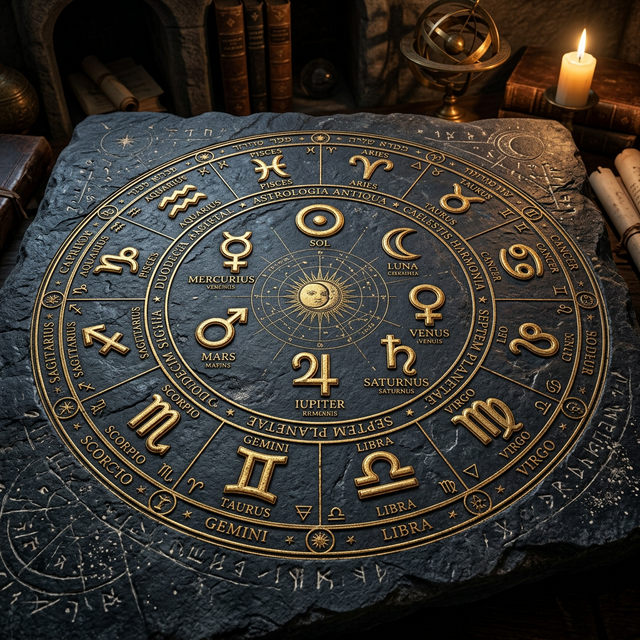
The idea behind planetary hours is both simple and profound. Each day and each hour is believed to fall under the influence of one of the seven classical planets known to the ancient world: Saturn, Jupiter, Mars, the Sun, Venus, Mercury, and the Moon. According to Hermetic philosophy and astrological tradition, these planetary forces subtly influence the nature of events that occur during their periods of rulership.
See Your Pattern Live
Start Your Oracle Reading →This system appears across multiple civilizations. It can be found in Greek magical papyri, medieval grimoires such as the Picatrix, Jewish mystical texts, Renaissance astrology manuals, and even earlier Babylonian astronomical traditions. In each case, the underlying belief is the same: the quality of time changes depending on which celestial intelligence governs it.
Understanding planetary hours allows practitioners to align actions with cosmic rhythms . Rituals, decisions, creative work, communication, and even mundane tasks can be timed to harmonize with the appropriate planetary influence.
In This Article
The Ancient Origins of Planetary Hours
The system of planetary hours traces its roots to the ancient world, particularly to the astronomical traditions of Mesopotamia and Hellenistic Egypt. Babylonian astronomers were among the first to observe and record the regular movements of the visible planets. These wandering stars, known as planētai in Greek, were seen as divine intelligences moving across the heavens.
In the centuries following the conquests of Alexander the Great, Egyptian, Greek, and Babylonian knowledge blended in the cosmopolitan city of Alexandria. This intellectual fusion produced the body of teachings now known as Hermetic philosophy . Hermetic texts describe the universe as a structured hierarchy of cosmic forces in which celestial bodies transmit divine influence to the earthly world. This alignment is further explored in our study of the sacred geometry of creation .
Planetary hours emerged naturally from this worldview. If the planets influence the unfolding of events on Earth, then it follows that time itself must reflect their rhythms.
Later texts such as the Greek Magical Papyri describe rituals timed according to planetary hours. Medieval scholars continued this tradition. By the time of the Renaissance, planetary hour calculations had become standard knowledge among astrologers, alchemists, and ritual magicians.
The famous grimoire Picatrix provides detailed instructions on selecting planetary hours for magical operations. These instructions reflect a belief shared across centuries: certain actions are more successful when performed under the correct celestial influence.
The Seven Classical Planets
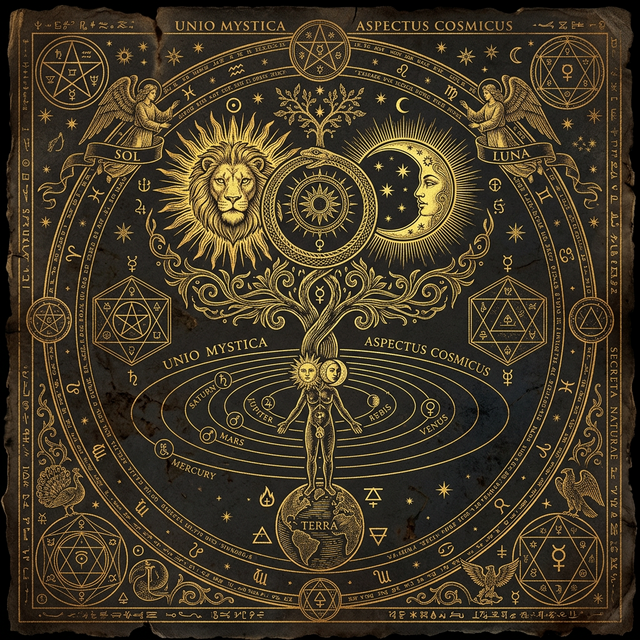
Planetary hours are a system of timekeeping based on the ancient seven planets of alchemy and astrology. Unlike the 60-minute hour we use today, planetary hours vary in length depending on the season and the amount of daylight available. This system is a practical application of the 7 Immutable Laws and the Law of Correspondence . When one ignores the quality of time, life often feels stuck or stagnant despite continuous effort.
Jupiter — linked with expansion, wisdom, prosperity, and philosophical insight.
Mars — symbolizing energy, courage, and decisive action.
The Sun — representing vitality, authority, and illumination.
Venus — associated with harmony, beauty, attraction, and pleasure.
Mercury — the planet of communication, knowledge, and intellect.
The Moon — symbolizing emotion, intuition, and cycles .
These associations are further explored in our complete planetary correspondences guide .
How Planetary Hours Are Calculated
Each day begins with a planetary ruler.
Sunday — Sun
Monday — Moon
Tuesday — Mars
Wednesday — Mercury
Thursday — Jupiter
Friday — Venus
Saturday — Saturn
You are seeing this because the pattern is active right now.
If you ignore it, it will repeat again.
👉 Reveal your pattern here:
Start Your Free Oracle ReadingThe first hour after sunrise belongs to the planet ruling that day.
After that the planetary sequence follows the ancient Chaldean order:
Saturn → Jupiter → Mars → Sun → Venus → Mercury → Moon
This pattern repeats continuously across the 24 hours of the day.
Day Hours and Night Hours
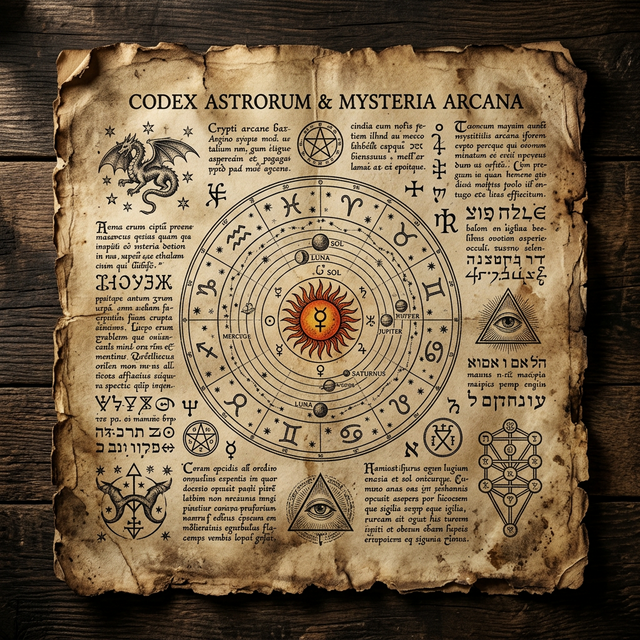
Planetary hours are not fixed sixty-minute segments.
The time between sunrise and sunset is divided into twelve equal parts.
The time between sunset and sunrise is also divided into twelve parts.
Because daylight changes through the seasons, the length of planetary hours changes accordingly.
The pattern underneath this may already be repeating.
The ARCANUM Pattern Diagnosis identifies the hidden structure beneath recurring emotional and relational cycles.
Reveal The PatternPractical Uses of Planetary Hours
Ancient practitioners used planetary hours to determine the most favorable times for specific actions.
Mercury hours were ideal for study and communication.
Venus hours were associated with art, love, and harmony.
Mars hours were linked with courage, competition, and decisive action.
Saturn hours were used for contemplation and disciplined work.
Solar hours were chosen for leadership, authority, and public activity.
Planetary Hours in Hermetic Philosophy
Hermetic philosophy teaches that the structure of reality is reflected across multiple levels of existence. The famous principle “As above, so below” expresses this relationship. This concept is core to the sacred geometry of creation .
Planetary hours embody this principle. The cycles of the heavens mirror cycles of time on Earth . By understanding these patterns, practitioners believed they could align themselves with cosmic order.
Planetary Hours in Modern Practice
Even today planetary hours remain part of astrological and mystical traditions . Many modern practitioners use planetary hours to time meditation, creative work, or spiritual rituals.
Although the system originated thousands of years ago, it continues to offer a fascinating perspective on how ancient cultures understood time, destiny, and cosmic influence.
Conclusion
The planetary hour system reveals a worldview in which time is not empty or uniform but alive with changing qualities. Each moment carries the influence of celestial forces that have fascinated scholars and mystics for centuries.
Understanding these rhythms allows us to reconnect with a perspective that once shaped philosophy, astronomy, and spiritual practice across many civilizations.
Rather than treating time as a mechanical sequence, planetary hours invite us to see it as part of a living cosmic order.
Related Insights
Consult the ARCANUM Oracle
If this keeps happening, it’s not coincidence. There is a pattern behind it — one you are not fully seeing yet. The Oracle reveals what is repeating and why.
Invoke the OracleGet Your Personal Cycle Report
Your birth date reveals more than patterns. Get a fuller interpretation when you want more detail.
Reveal Your Full Reading →Related patterns:
Why Do I Feel Stuck in Life? Why Does My Life Keep Repeating?You don’t need more theory.
You need clarity.
👉 Get your full oracle reading:
Understand the Pattern Behind ThisIf you want to understand how this applies to you: